Book Group Questions
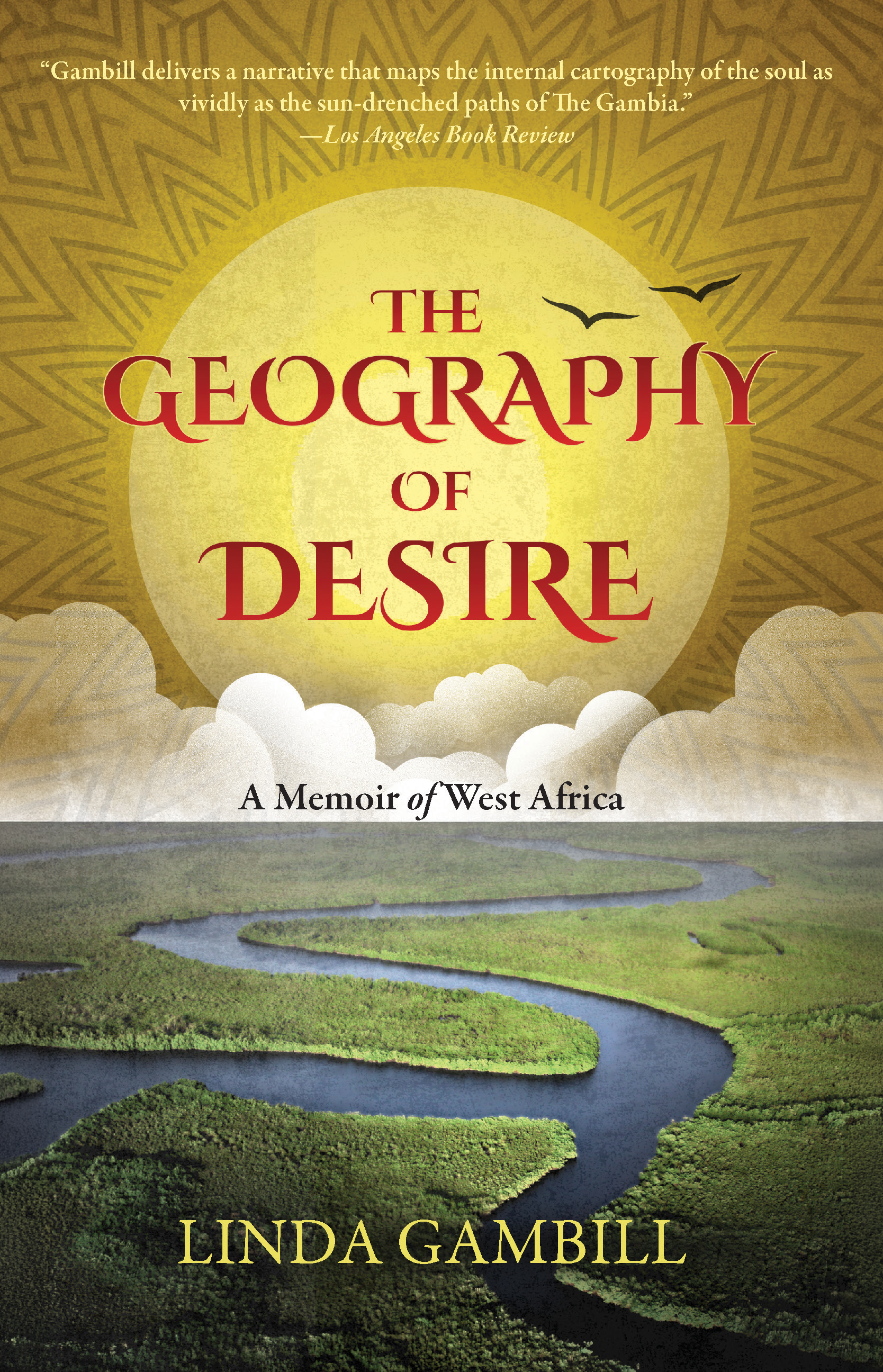
The Geography of Desire
1- There are several places in The Geography of Desire where the author finds herself at a crossroads: either stay with the status quo or move forward into uncharted territory. Of the three below, which one can you most relate to? Which would be most difficult for you?
a. Standing in the sleet in Knoxville, she takes stock of her life and decides to finally join the Peace Corps.
b. Homesick and lonely, she wants to return home to the States, but after a child she’s trying to help dies, she recommits to finding a way to help her village.
c. Back home many years later and feeling misaligned with her husband, she returns to The Gambia for a visit to see what she left behind.
2- When Linda is melting down from loneliness and struggling to gain momentum in Medina, what part of you empathizes with her and what part, if any, feels impatient for her to figure out what to do?
3- Linda describes her relationship with her mother after her parents’ divorce as an “ambiguous loss,” meaning that her mother was physically present but emotionally absent. An ambiguous loss can also involve a person who is physically absent but emotionally present.
a. Have you ever experienced an ambiguous loss in your own life? If so, how did it affect you in comparison to other losses?
b. Have you resolved this loss? If so, what did it take?
4- A stranger named Samantha spends the night with Linda and tells her something that changes the way she sees her situation in the village. Has a stranger—or anyone—ever told you something that helped you see your way out of a difficult situation?
5- When Linda refuses to be the treasurer of the garden project, do you agree with her decision to keep control in the hands of the villagers—even if it means handing control over to a man? What would you have done?
6- Today many Peace Corps volunteers have cell phones and access to the internet. How would you feel about experiencing the level of isolation Linda endured—relieved or panicked?
7- What were Linda’s motivations for having an affair with Kabir? What unintended consequences did the affair have on her life?
8- In the end, Linda succeeded in creating sustainable change in Medina. What one element do you think most contributed to the success of the garden?
9-The Geography of Desire is shaped by its specific time and place—West Africa in 1979, a period marked by postcolonial transition and shifting political realities.
a. How does the author navigate being both an observer and participant in this environment?
b. In what ways do issues of power, privilege, or cultural misunderstanding surface in her personal story?
10- Memoir relies on memory, which can be unreliable, as much as fact.
a. How does the author use sensory detail, reflection, or silence to reconstruct her experience of West Africa?
b. Where do you notice gaps, tensions, or uncertainties that deepen (or complicate) your trust in the narrative?
11- Have you ever lived in a different culture? If so, how did it change you?
12- In our divided world, what lessons can we draw from the way Linda forged friendships with the villagers, cutting across racial, cultural, and religious lines?